 |
 |
|
|
STARTING AT GRASSROOTS LEVEL

|
|
One of the subjects that lie very close to the heart
of Walter Mercuur is the level of education that
will ultimately affect the quality of tomorrow’s
engineers. With the change in the Curriculum
Statement some two years ago, the subject components
for Civil Technology and Engineering Graphics &
Design have undergone a major transformation, which
has led to some extensive curriculum planning in the
Western Cape.
|
|
|
Walter Mercuur is the Deputy Chief Education
Specialist for the Western Cape Education Department (WCED)
and has occupied this vital position for the last
eight years. “My job as Curriculum Planner is to
ensure that the national statement is unpacked and
interpreted in such a way that the roll out in all
seven districts happen as smoothly as possible. I also
serve on the national committee where educational
policies are developed and assist as convenor of the
assessment body that draws up the guidelines to help
teachers assess the work of learners,” he says.
The change over from the old curriculum to the new
one has required extensive preparation and a solid
support structure to aid the process. “We have seven
Curriculum Advisors that support schools in the roll
out and they have already conducted numerous workshops
which started in 2004 when the new syllabus was first
discussed. We have since conducted the second workshop
in 2005 with the most recent one over the June
holidays.”
“In addition, we embrace our partnership with service
provider Knowledge Base as they have offered to train
teachers on their AllyCAD program at a heavily
discounted rate and once a teacher is trained, the
software will be made available to that schools
computer lab at no cost. It is industry contributions
like these that will ensure a successful roll out and
help achieve a high standard of education and it would
be difficult to achieve our objectives without this
kind of support,” says Mercuur.
|
 |
Personal |
 |
|

Walter Mercuur
Walter Mercuur matriculated
at Athlone High School and then pursued his
engineering qualification at the Cape Peninsula
University of Technology (Bellville campus). Since
then he has gone on to complete his Masters degree
in Education through the University of Exeter in
the UK. |
|
 |
|
 |
|
|
A frequent question that has been asked, is why the
need to change the curriculum at all? According to
Walter, the reasons to switch made logical sense. “In
the previous curriculum there was an overload of
subjects and in certain cases the subjects overlapped,
causing a huge drain on both human and financial
resources. With the introduction of the new
curriculum, a lot of these subjects are now more
efficiently allocated in terms of current economic
needs. The 21st century has brought with it a demand
for learners that engage in a high level of knowledge
and skills so that they are better equipped to deal
with the pressures of tertiary studies.”
Although the revised curriculum has had mixed
reactions, the overall impression has been positive.
“With the new syllabus there is a greater emphasis on
creative planning as well as cognitive and theoretical
skills, whereas in previous years the focus was more
on manual skill development with a narrow definition
on vocational skills.”
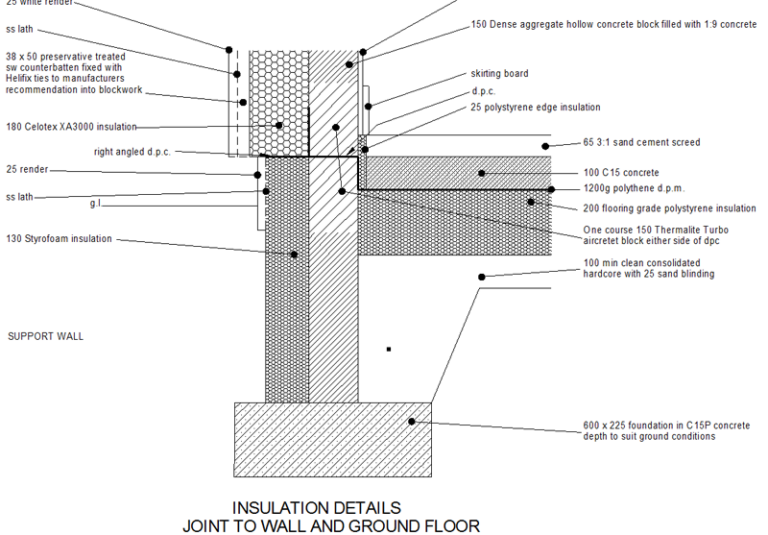
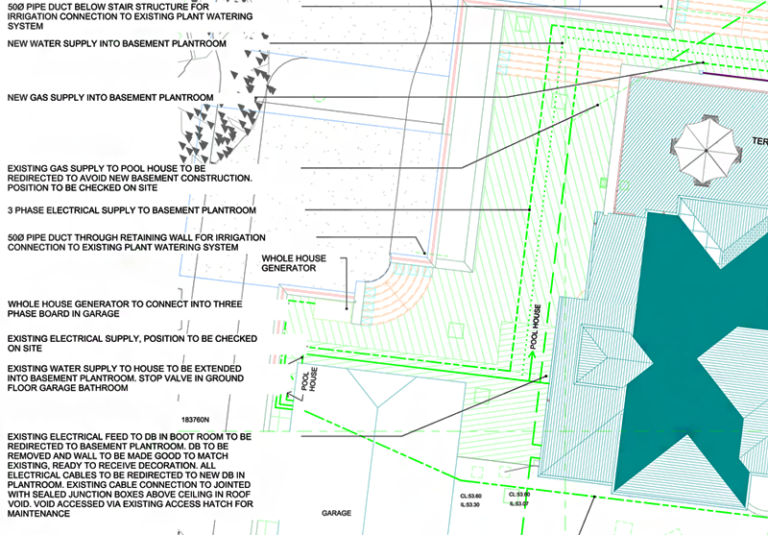
“The new subject component Civil Technology
encompasses a far wider spectrum and focuses on every
aspect of the built environment. Similarly, the
subject component Engineering Graphics & Design (EGD)
– previously called Technical Drawing - has evolved to
cover machine component drawings as well as drawings
in house construction drawings, analytical geometry
drawings and electrical drawings. Today all subjects
are taught in a problem solving setting to allow
learners to become initiators, innovators and creators
in order to solve real problems with the skills
acquired at school, making for a better class of
engineer in the future,” says Walter.
Walter’s recipe for success is a simple one. “I
believe that each learner can aspire to greatness if
they take charge of their own development and growth.
I know that the first batch of matriculants that
graduate in the new curriculum in 2008 will take the
world by storm and be able to compete with the best
engineering scholars in the world!” |
|
|
Last Updated:
September 20, 2007
|
|
|
 |